
Elementor #4814
LOGAN GARDENS MEET AND GREET 2026 LOGAN GARDENS MEET AND GREET 2026 Related Posts
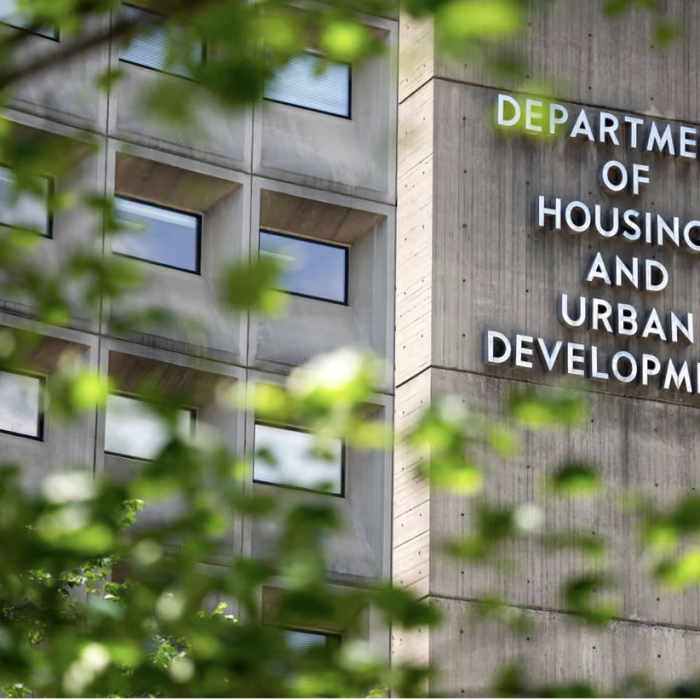
A sweeping proposal from the Trump administration has put America’s affordable housing infrastructure under severe threat. At its center is an unprecedented plan to slash funding for the the U.S. Department of Housing and Urban Development (HUD) and fundamentally reshape how federal housing support is distributed. For millions of renters, housing providers, and local governments, the stakes could not be higher.
The administration’s FY 2026 budget request calls for roughly a 44% reduction in HUD’s discretionary funding compared to FY 2025. Source
In the same proposal, the largest federal rental assistance programs — including Housing Choice Vouchers (Section 8, tenant-based), Project-Based Rental Assistance, Public Housing, and programs for the elderly/disabled (Sections 202 and 811) — would be consolidated into a new state-administered block grant. That new block grant would operate at approximately 43% below the sum of their current combined funding.
Other major HUD programs would be eliminated or severely curtailed, including:
Community Development Block Grants (CDBG)
HOME Investment Partnerships
Fair housing enforcement and fair housing grants (e.g. FHIP) Congress.gov
The president’s budget also proposes to impose time limits and work requirements on recipients of those housing supports, especially for non-elderly, non-disabled households. Source
The proposal is not law — Congress still controls appropriations — but it signals the administration’s priorities and will shape the battles ahead.
These proposed HUD cuts represent more than a budget exercise. They amount to a reimagining of the American social compact around housing — one with deeply uncertain and likely harmful consequences for millions. Especially in high-cost, high-density places like New York, where affordability challenges are acute, the fallout could exacerbate inequality, drive displacement, and further hollow out the safety net.
The coming months will be decisive. Whether these proposals survive intact, are tempered, or are reversed depends on advocacy, political will, legal pushback, and the capacity of local systems to respond. For tenants, housing advocates, and communities across the country, the time to organize is now.
LOGAN GARDENS MEET AND GREET 2026 LOGAN GARDENS MEET AND GREET 2026 Related Posts
On Saturday, July 18, 2026, The Parodneck Foundation, in collaboration with New York City Councilmember Chris Banks, hosted the Older